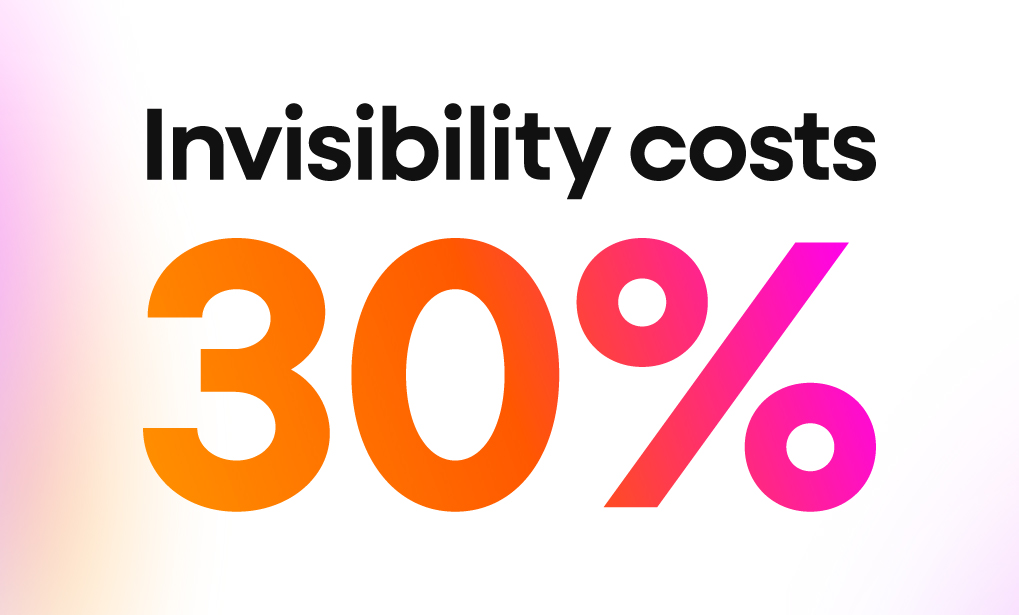
Flexera's 2026 State of the Cloud Report puts cloud waste at 29%, we see it even higher. That's the first increase in five years. On a £1m Microsoft cloud bill, that’s £290,000 a year you're spending and getting nothing for. The CIOs we talk to rarely argue with the number. What they want to know is whether they've got any chance of finding it.
They have. Just not under the Enterprise Agreement model that the industry has trained them to accept. The Cloud Solution Provider (CSP) model, run alongside a proper FinOps discipline, is how organisations surface the waste, take the money back, and put it into modernisation.
Why EA customers are being pushed to CSP
EA discounts have flattened. Price protection has gone. For most UK mid-market and lower-enterprise customers, Microsoft is now steering them towards CSP because that's where the commercial flexibility lives. CSP gives you monthly elastic licensing, transparent line-item billing, and a UK partner sitting between you and Microsoft who can both optimise and escalate on your behalf.
We're a Microsoft Direct CSP. We buy from Microsoft with no distributor in the chain. That shortens the food chain on support, discounts and Azure issue escalation, and it lets us pair commercial flexibility with hands-on optimisation work.
The real cost of cloud waste in Azure and Microsoft 365
Cloud waste doesn't just show up on the bill. It eats your transformation budget. Across the FinOps engagements we run, we typically find 18% to 35% of total cloud spend is recoverable, and over a third of Microsoft 365 licences are underused. That's money that could be funding AVD, Copilot, or your next modernisation project.
In Azure, the waste hides in zombie resources. Disks left behind when a VM is deleted. Test environments, nobody shut down. Premium SKUs still running long after a pilot finished. In Microsoft 365, it's shelfware. 10 to 20% over-purchasing locked in under EA volume tiers. Users on full E5 when E3 would do the job. Licences still attached to contractors and leavers from two years ago.
No internal team is going to track this manually across thousands of accounts. The data is there in the tenant. Finding it is a tooling and partner problem, not a CIO competence problem.
The three steps to find your 30%
Step 1: Budgets, cost centres and tagging that match reality
Cost optimisation only works when Finance and IT are looking at the same numbers. So start with structured subscriptions in Azure by environment or business unit, and tags that describe your real projects and services. Wire those into CSP billing so every resource has an owner and a purpose.
Our CSP Advantage model uses our FinOps practice to design that structure with you, then plug it into a granular billing platform. Instead of opaque invoices, you see per-subscription and per-service spend. You can export line-level transactions and reconcile against the general ledger. The CFO conversation moves on from "why is the Azure bill so high?" to "here's how Project A is tracking against budget and here's where we can take cost out safely."
Step 2: Guardrails and zombie elimination
Once the budgets are in place, the priority shifts to preventing accidental overspend. Role-based access control, Azure Policy and real-time alerting catch the moments where a misconfigured security tool or an unattended pilot runs up thousands of pounds in a day. We've seen customers burn through several thousand pounds in 48 hours just by enabling a new service that wasn’t cost-modelled. With continuous monitoring through our FinOps platform, those anomalies surface in hours rather than at month-end.
The same approach works in Microsoft 365. A clean joiners–movers–leavers process, plus automated detection of inactive users and unused products inside a licence, gives IT a focused action list instead of a manual trawl through Entra ID.
Step 3: Reserve and Rightsize Azure, Microsoft 365 and Copilot for real savings
With waste visible and governed, you can start rightsizing — matching capacity and licence level to actual usage. This is where many businesses find 20–40% savings without degrading service, because they have historically over-provisioned to avoid risk.
In Azure, reservations and savings plans can deliver 60–67% discounts when you know a workload will run for the long term. Node4’s tooling identifies which VMs, databases or storage accounts are good candidates, and where you can safely downsize or shut down non-production environments outside business hours.
On the Microsoft 365 side, behavioural analytics show you who actually needs E5, who could step down to E3 or F, and where standalone add-ons like Power BI are sitting idle. The same data builds the business case for Copilot. By looking at how people actually use Outlook, Teams, Word and Excel, you can identify the right candidates and model the ROI against real interaction patterns rather than blanket rollouts.
How our FinOps services ensure best practice
The hardest part of cost optimisation is keeping it going. One-off audits go stale the minute projects change or teams move on. Our FinOps CSP services add governance, monitoring, expertise and the toolset our clients need to keep cost optimised.
Customers get a self-service billing portal for instant licence changes and exportable line-level invoices. An optimisation platform covering Azure and Microsoft 365. support with 24x7 escalation into Microsoft's own support tiers. Because we're a Microsoft Direct CSP, those capabilities arrive without an extra distributor margin, and extras like Entra configuration backup and monthly security baseline reports come in at no extra cost.
For businesses exiting data centres, leaving EAs or simply trying to “find their 30%”, this model provides a low-friction way to turn cloud cost control from a once-a-year panic into a continual source of funding for the next wave of transformation.